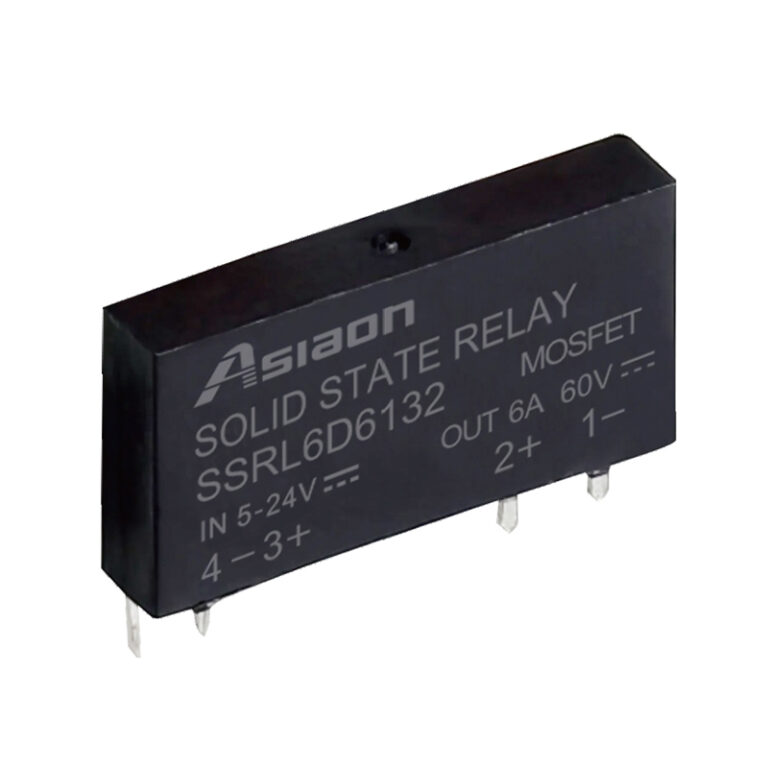
Zero Crossing vs Random Turn On SSR: Match the Switching Method to the Load
Compare zero crossing and random turn on SSR behavior, controller timing and load verification without assuming every AC output uses the same switching method.



Compare zero crossing and random turn on SSR behavior, controller timing and load verification without assuming every AC output uses the same switching method.
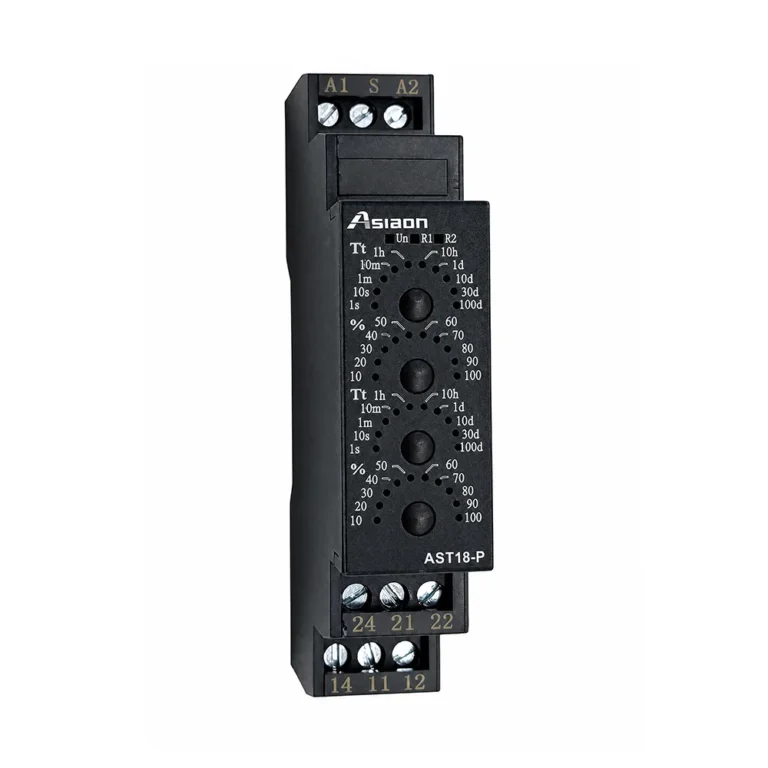
Specify an interval timer relay by trigger event, pulse duration, retrigger behavior and reset conditions, then verify the complete control sequence.
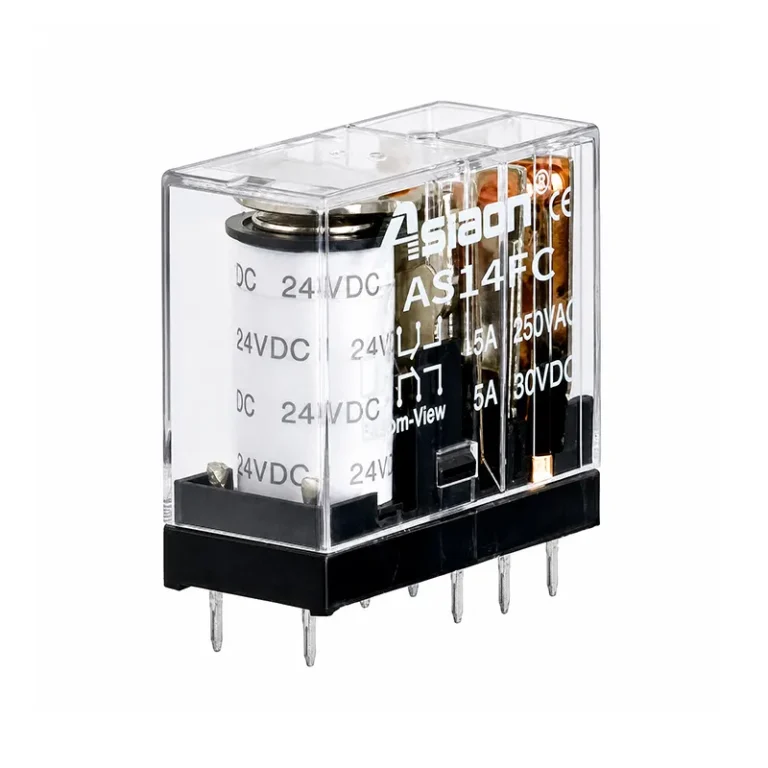
Evaluate relay minimum switching load, input thresholds and contact evidence before approving a low-current control or measurement circuit.
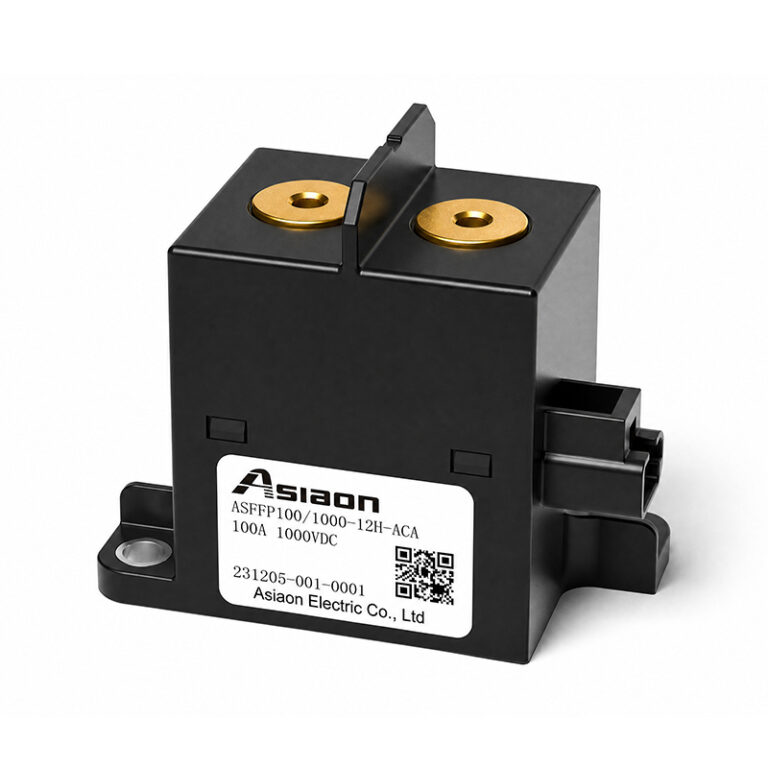
Check DC contactor polarity separately for the main circuit and coil, and document reverse-current interruption conditions before approving an ESS or charging design.
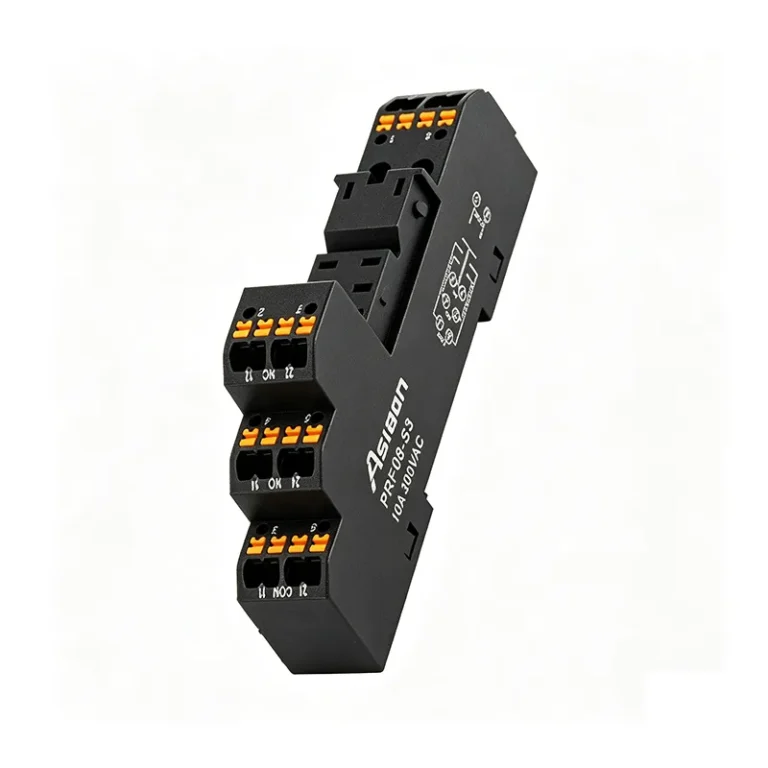
Investigate relay socket overheating through load, terminal, mating-contact and enclosure checks, then verify the repaired relay and socket assembly.
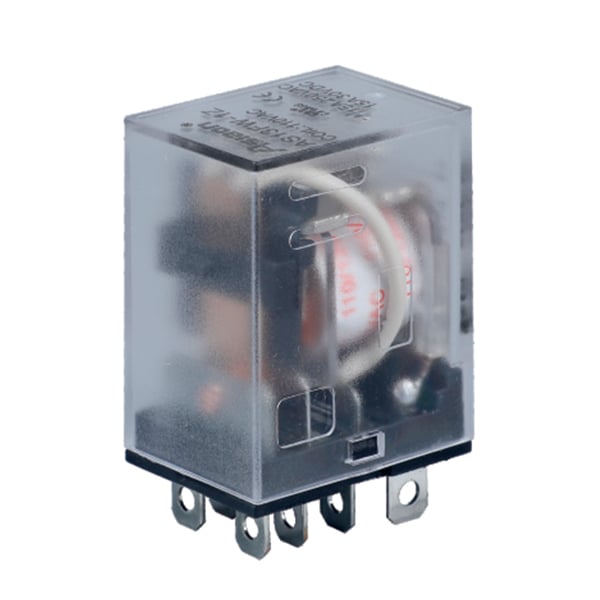
Review relay coil suppression, driver voltage limits, DC diode polarity and release timing before approving a relay or suppression module.
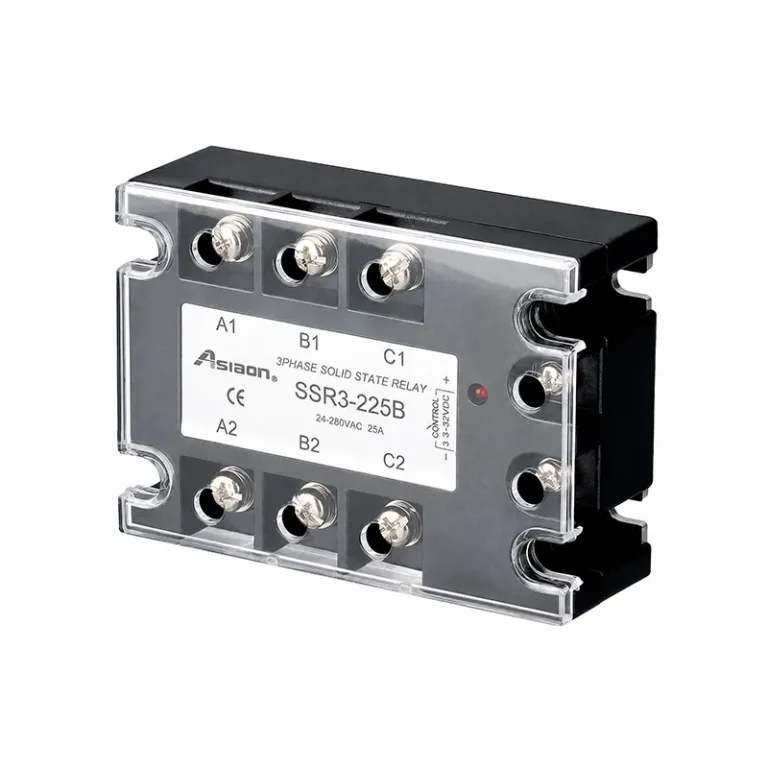
Review solid state relay leakage current, residual load voltage, release requirements and safe diagnosis before changing components.
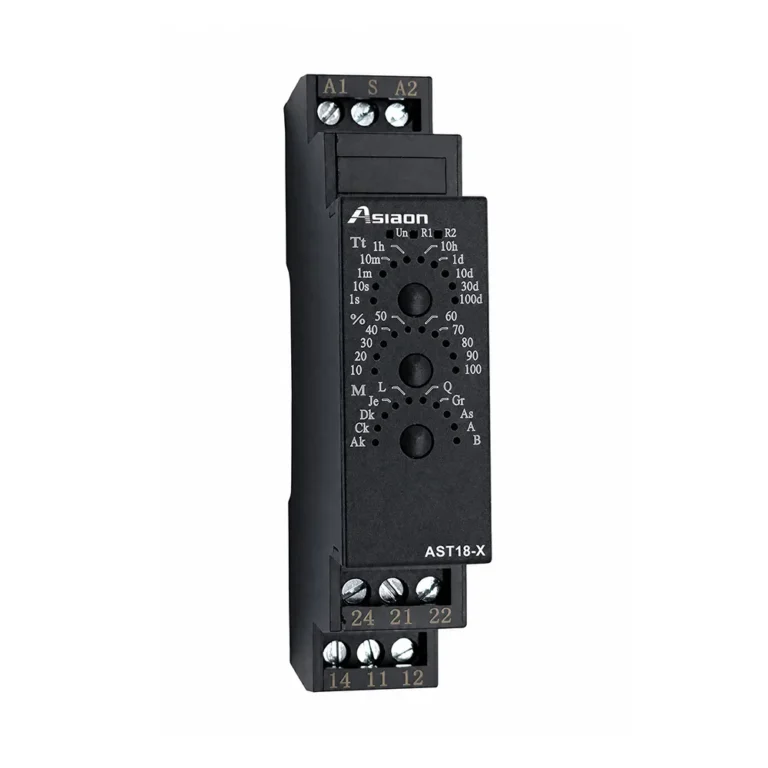
Specify timer relay power failure reset behavior, trigger state, recovery and acceptance tests before approving a replacement.
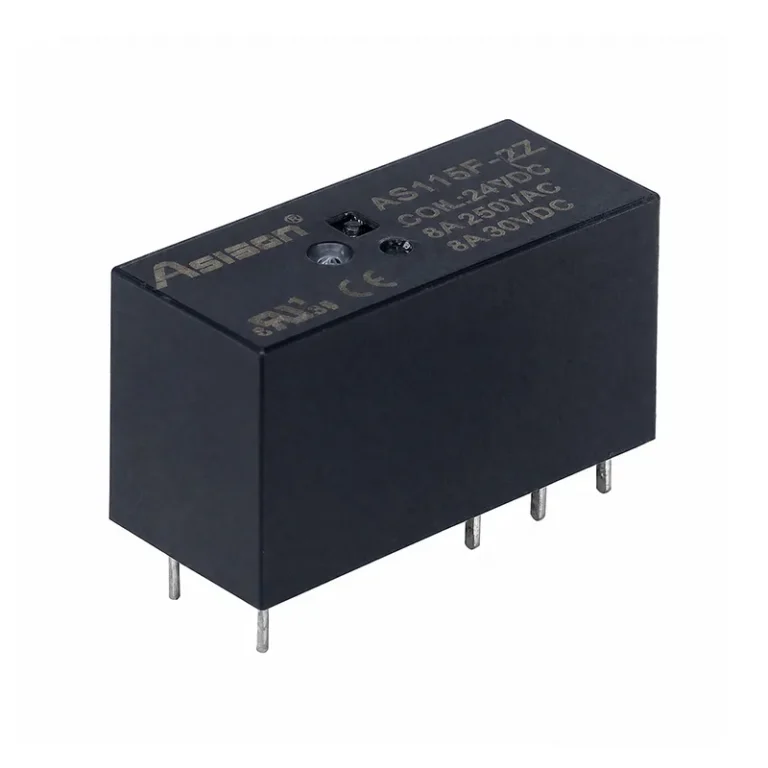
Separate relay contact bounce from coil chatter and interference, then validate filtering without losing real input events.