Relay Operate Time and Release Time: Define the Event Before Measuring
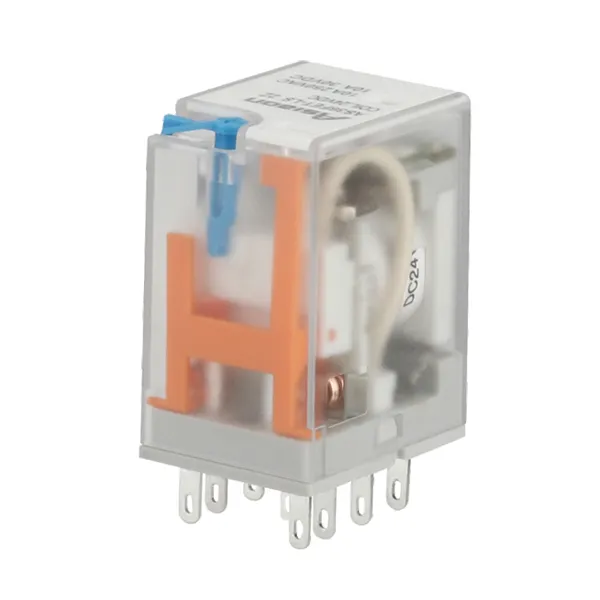
Define relay operate time and release time, distinguish contact events from system response and prepare an application-specific measurement plan.



Define relay operate time and release time, distinguish contact events from system response and prepare an application-specific measurement plan.
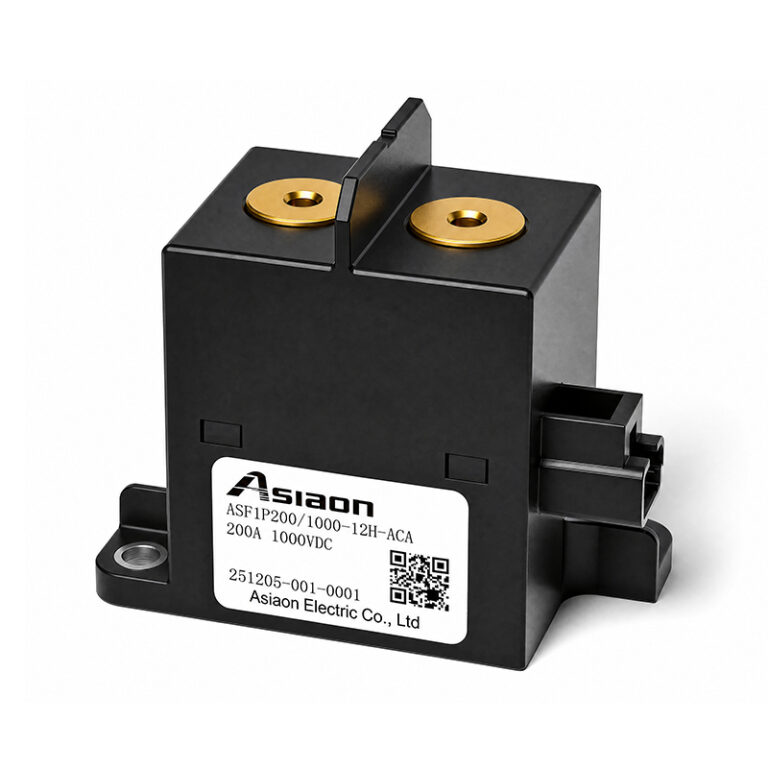
Specify a DC contactor coil economizer by the ordered coil type, pickup and hold requirements, driver compatibility and measured release behavior.
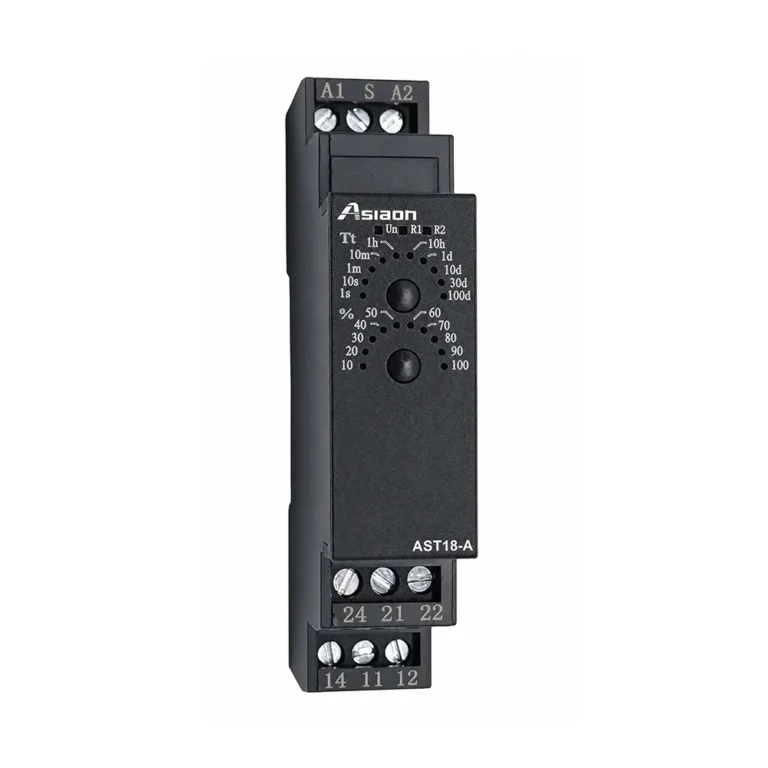
Separate timer relay setting error from repeatability, read percentage bases and verify the delivered delay across supply and temperature conditions.
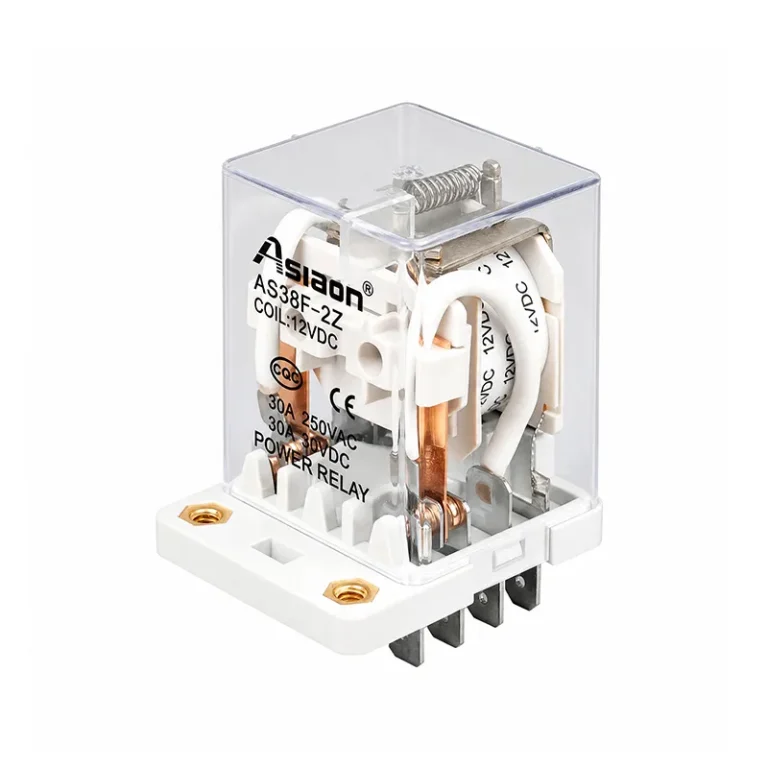
Compare relay electrical life and mechanical life, calculate operating demand and define load-specific endurance evidence before planning replacement.
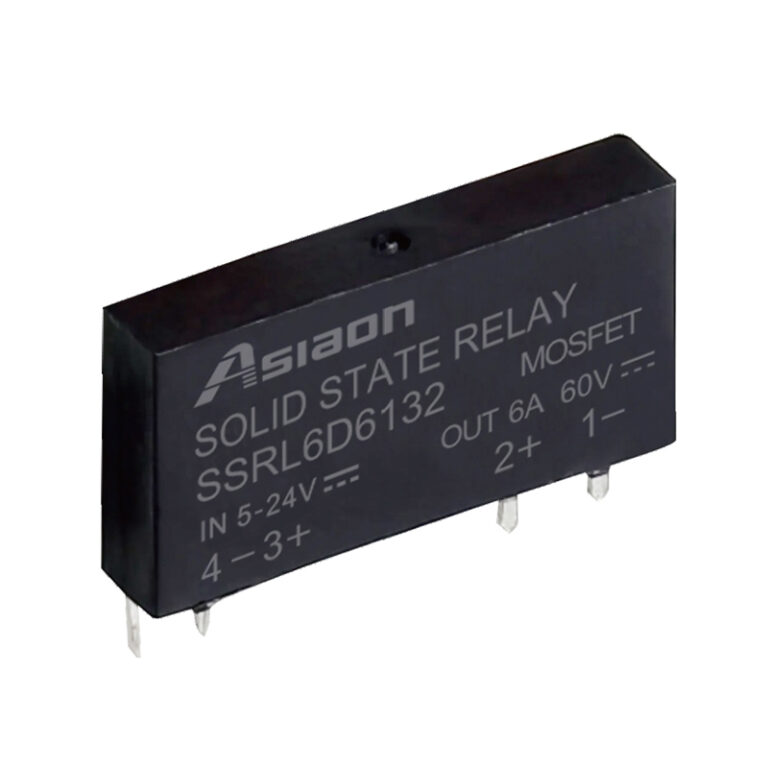
Compare zero crossing and random turn on SSR behavior, controller timing and load verification without assuming every AC output uses the same switching method.
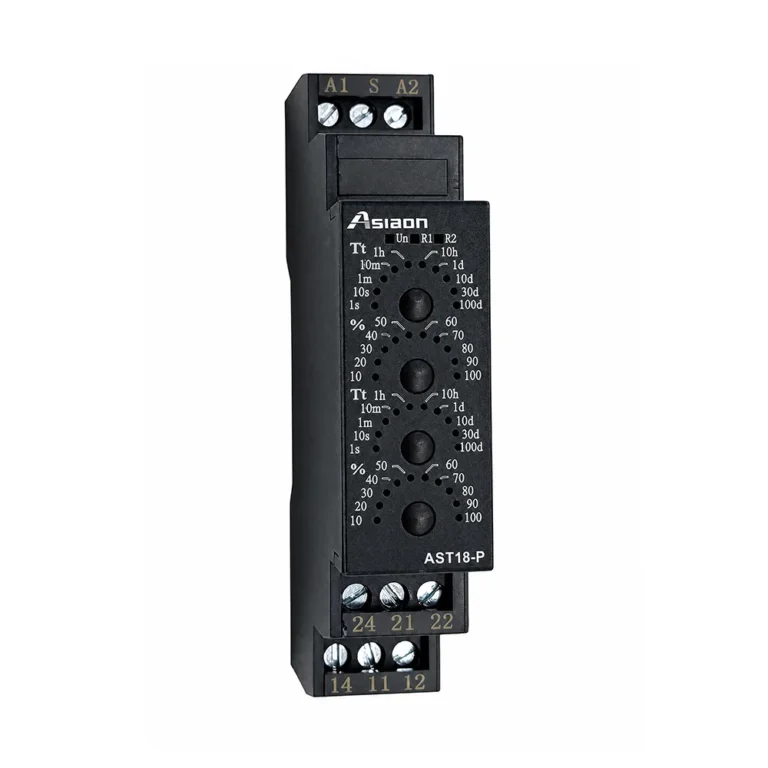
Specify an interval timer relay by trigger event, pulse duration, retrigger behavior and reset conditions, then verify the complete control sequence.
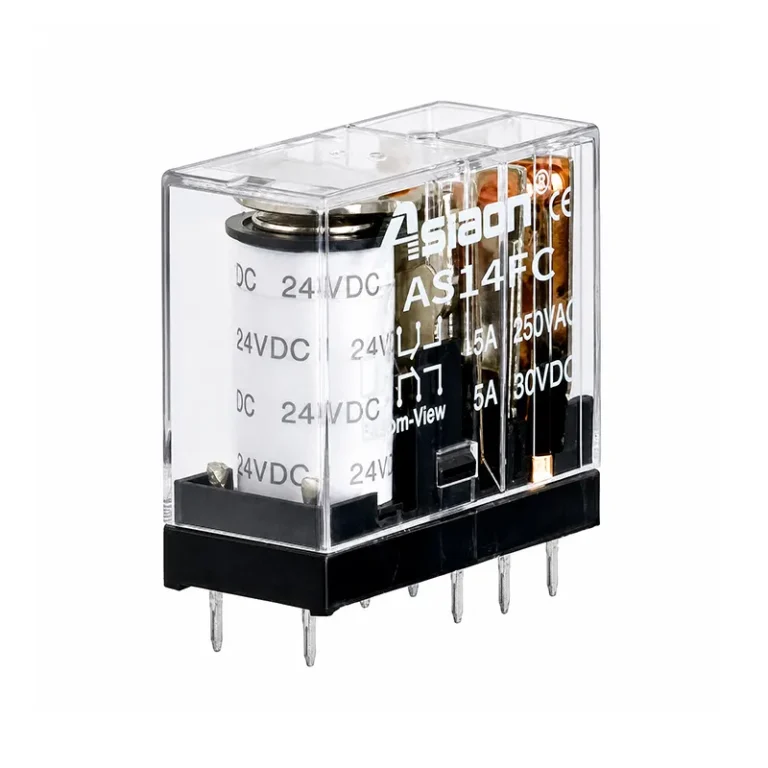
Evaluate relay minimum switching load, input thresholds and contact evidence before approving a low-current control or measurement circuit.
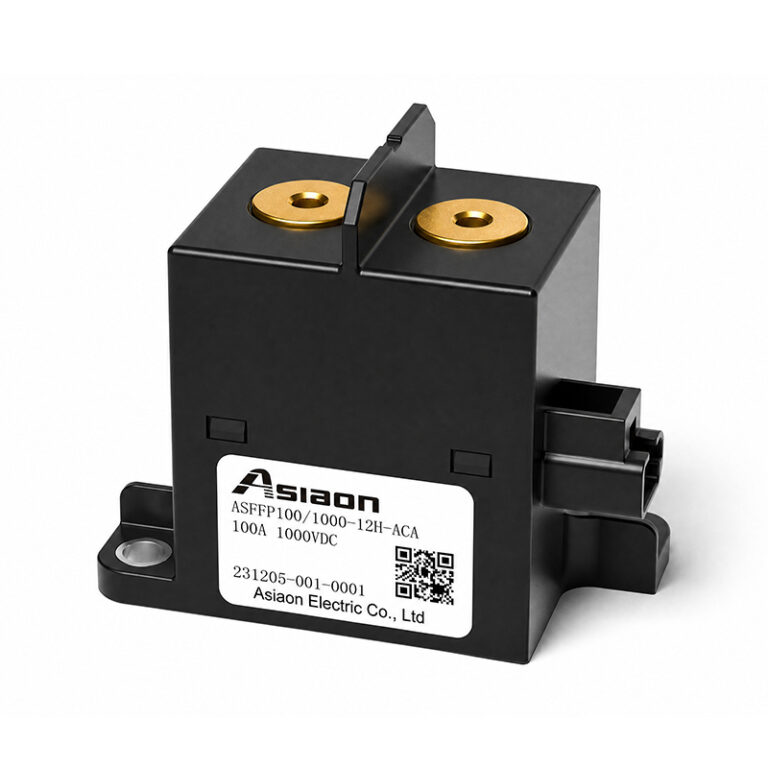
Check DC contactor polarity separately for the main circuit and coil, and document reverse-current interruption conditions before approving an ESS or charging design.
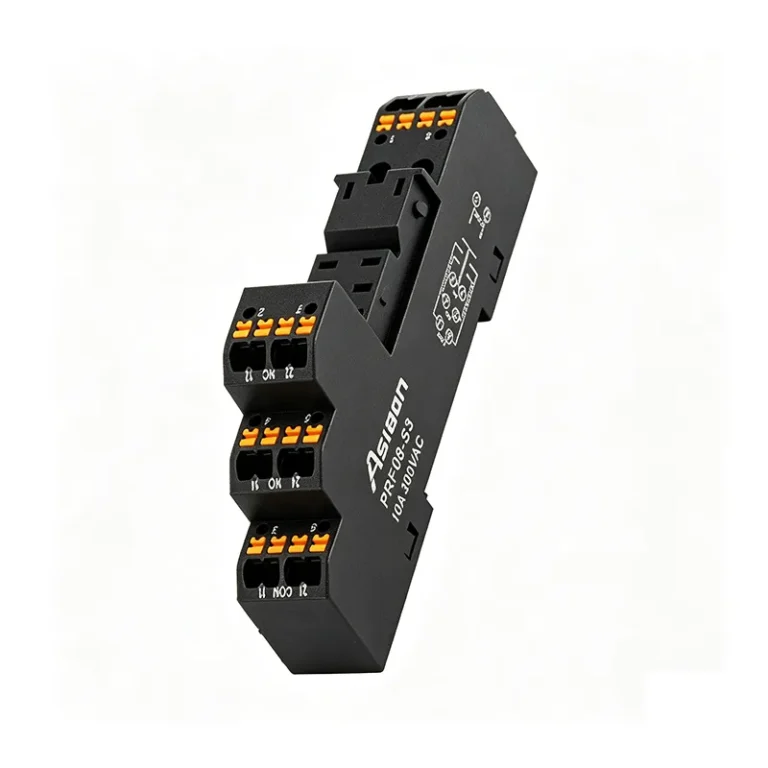
Investigate relay socket overheating through load, terminal, mating-contact and enclosure checks, then verify the repaired relay and socket assembly.
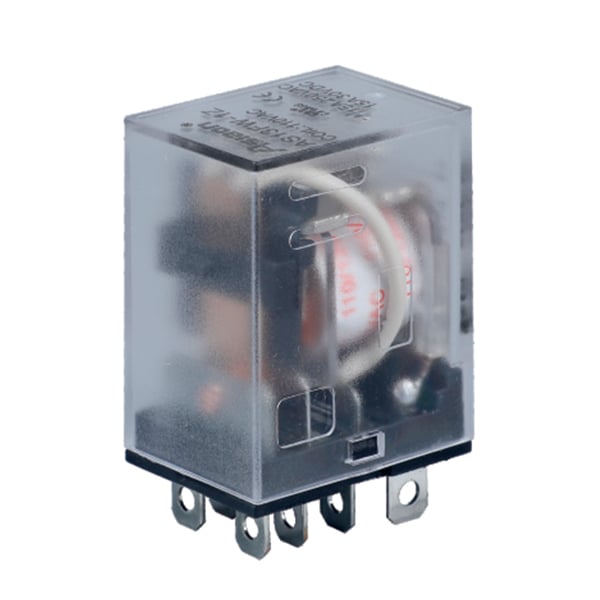
Review relay coil suppression, driver voltage limits, DC diode polarity and release timing before approving a relay or suppression module.