Conductive Liquid Level Relay Electrodes: Liquid and Installation Checks
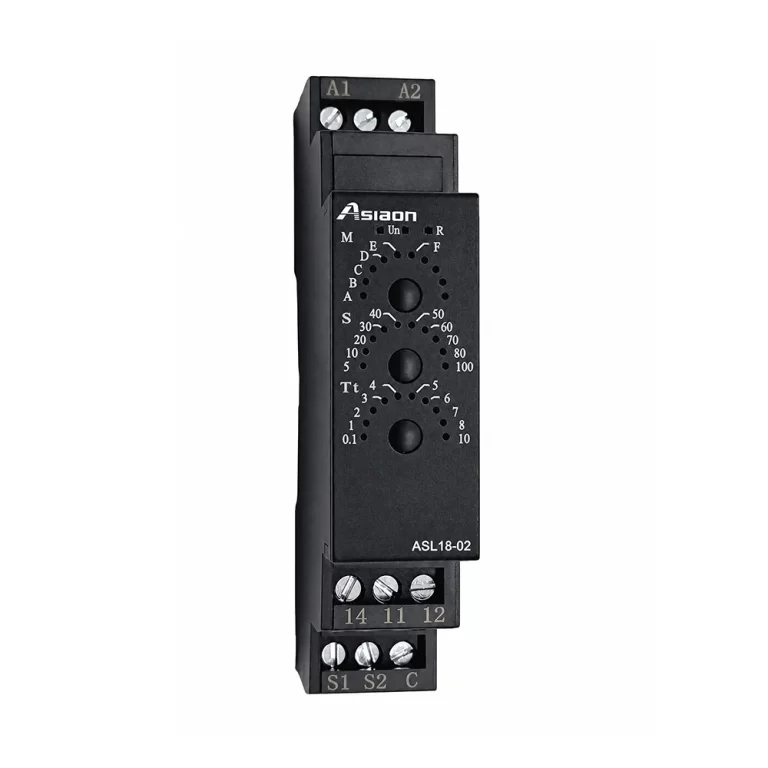
Check liquid conductivity, electrode condition, cable requirements and wet/dry evidence before specifying a conductive liquid level relay installation.



Check liquid conductivity, electrode condition, cable requirements and wet/dry evidence before specifying a conductive liquid level relay installation.
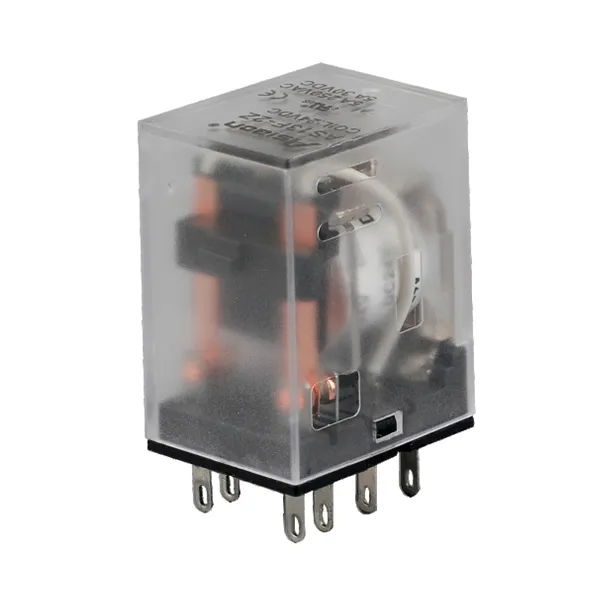
Review parallel relay contacts, unequal current sharing, switching duty, socket wiring and approval evidence before bridging poles to carry a larger load.
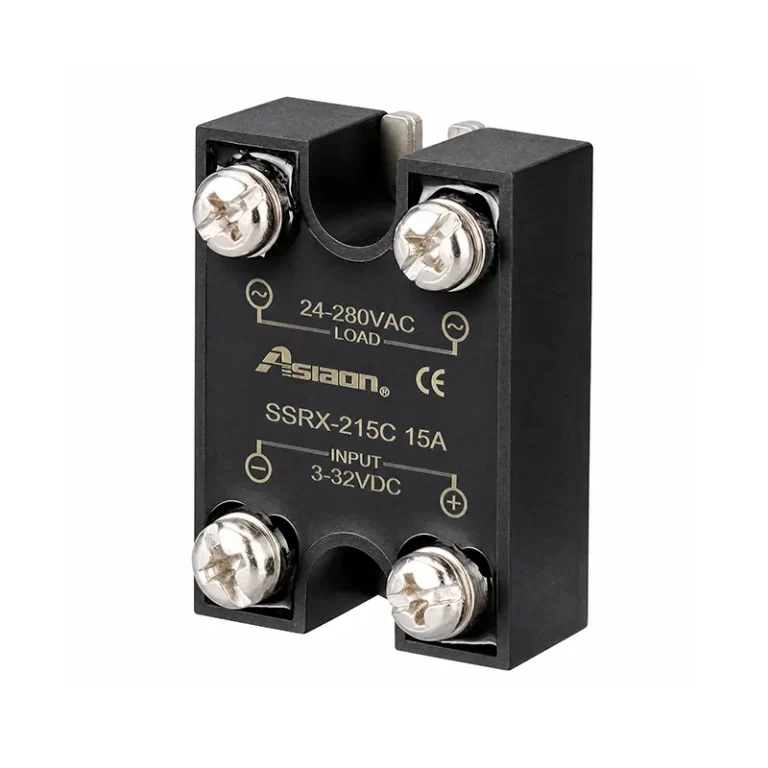
Review SSR fuse protection using total clearing I²t, peak let-through current, fault conditions, normal surges and exact product documentation.
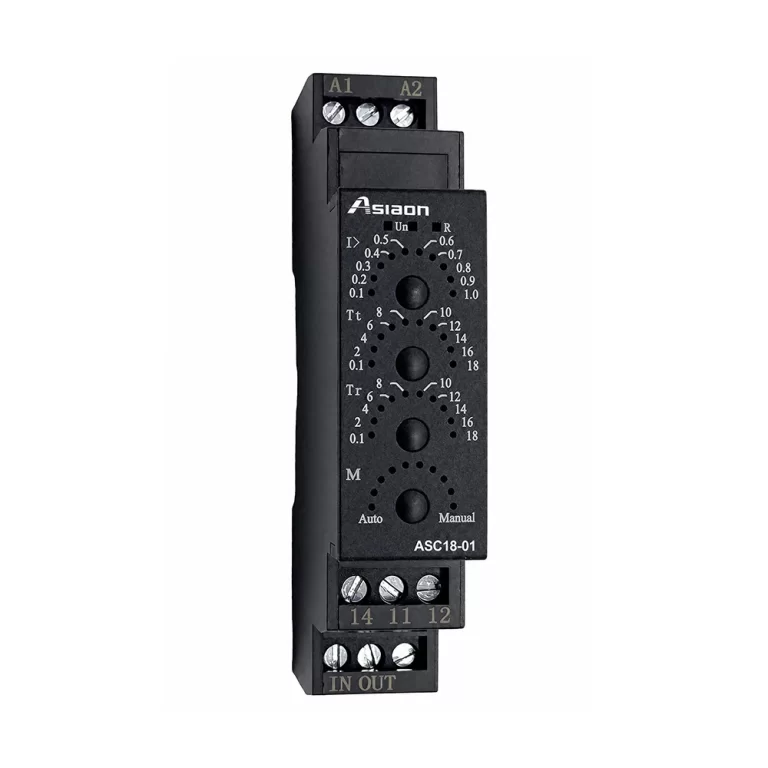
Check current transformer and monitoring relay input compatibility, ratio scaling, secondary burden, maintenance boundaries and commissioning evidence.
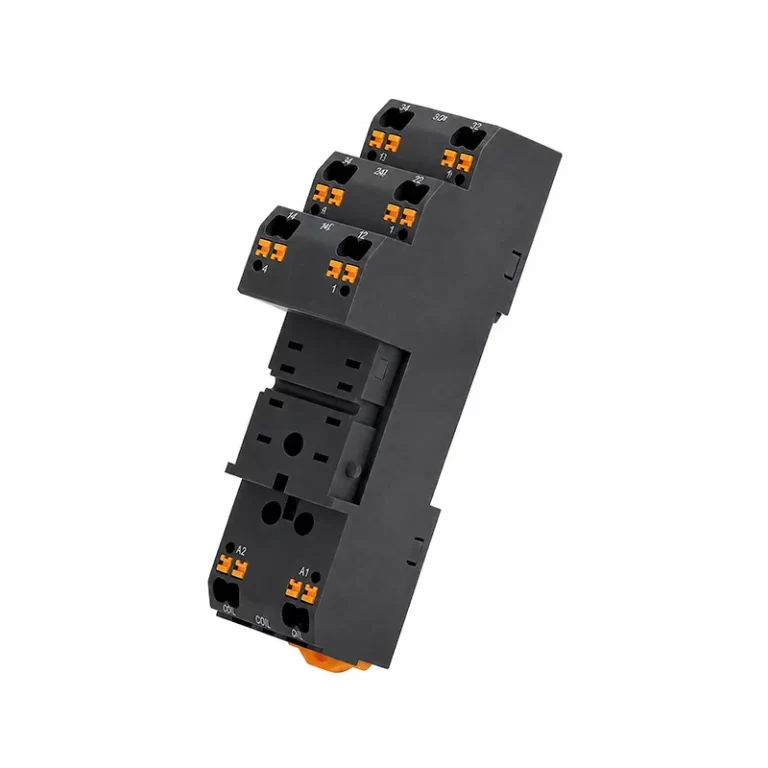
Specify relay socket retaining clips by matched assembly, rail attachment, cable loading, service access and documented vibration evidence.
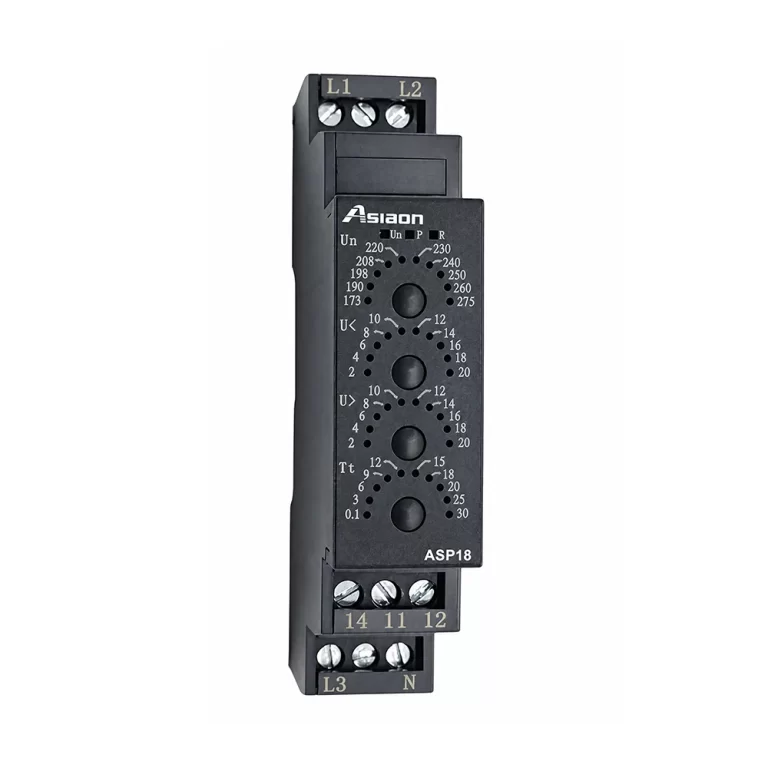
Distinguish motor voltage unbalance from phase loss, calculate a stated voltage-unbalance metric and define monitoring points and commissioning evidence.
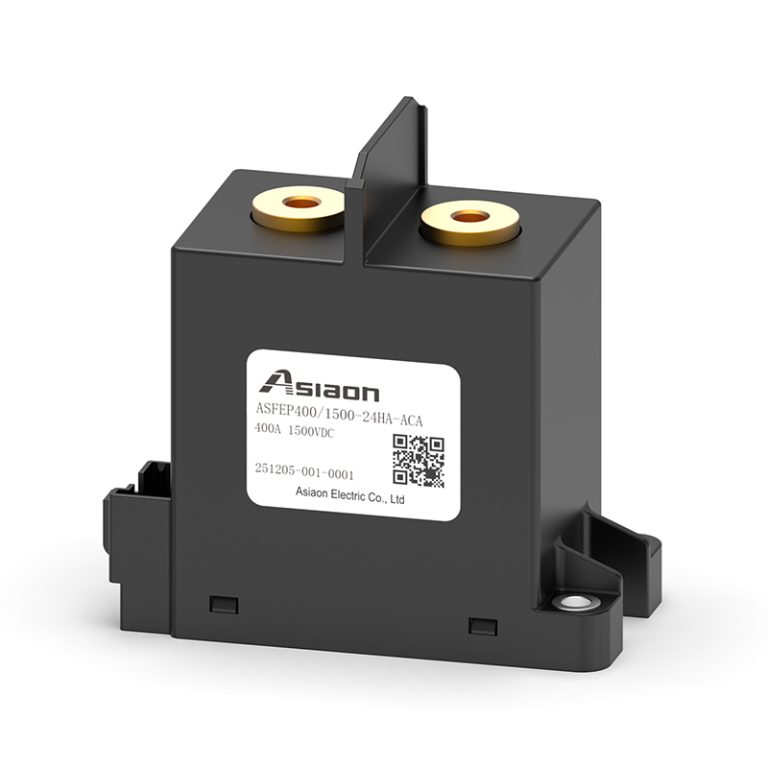
Separate contactor commands, ordinary auxiliary feedback and documented mirror contacts when defining diagnostic signals, reset behavior and replacement requirements.
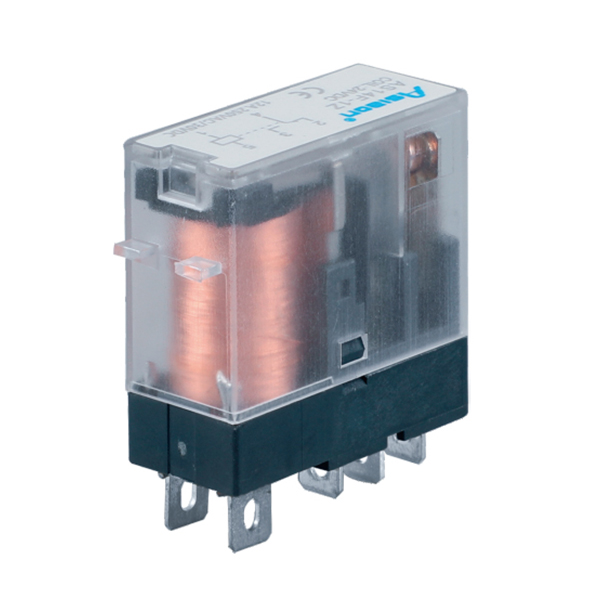
Compare relay insulation resistance and dielectric strength by terminal grouping, test conditions, assembly boundaries and documented acceptance requirements.
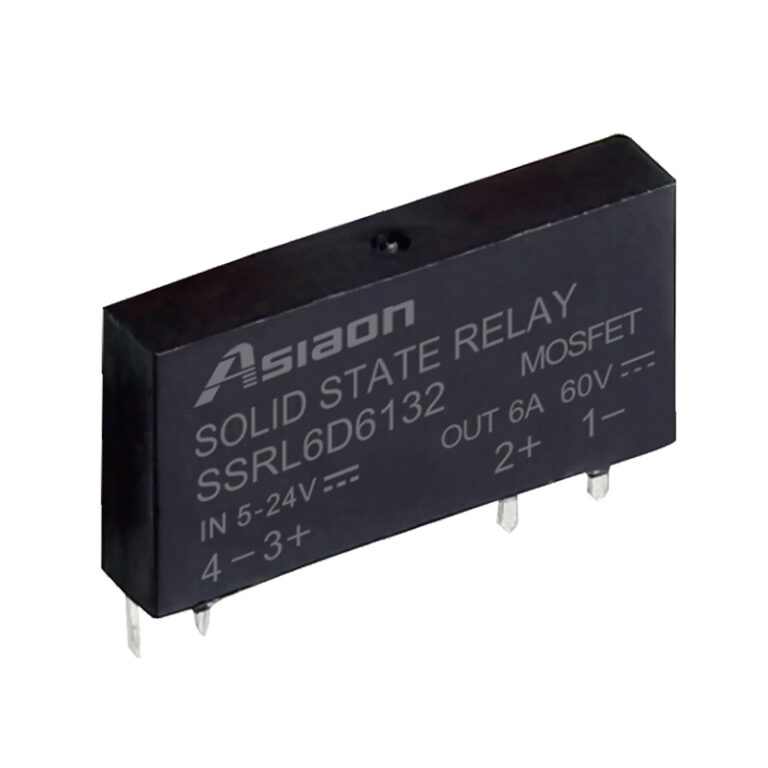
Compare AC and DC solid state relay outputs, separate input and load ratings and confirm turn-off, polarity and thermal requirements.
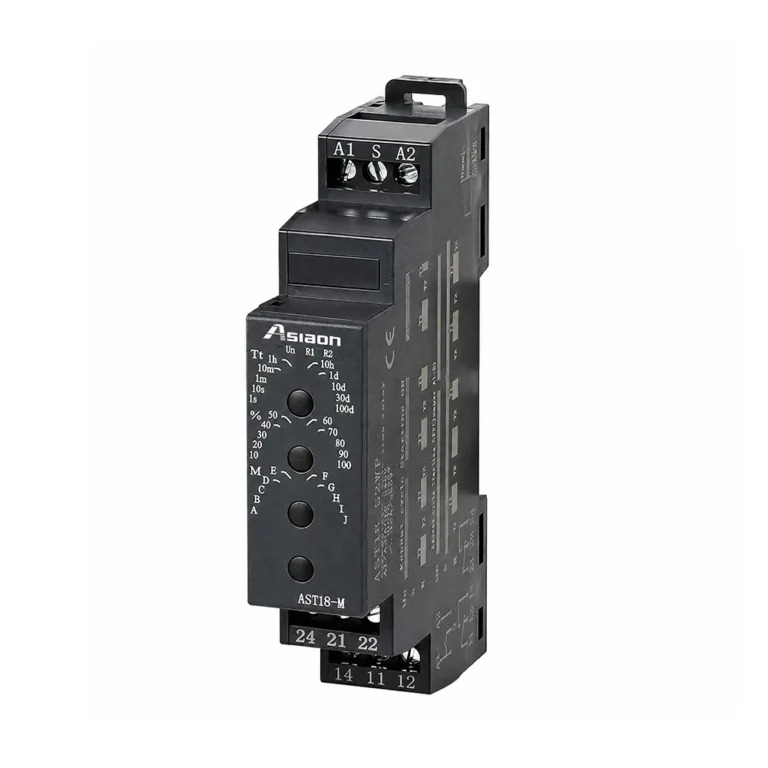
Match timer relay NPN and PNP inputs to sensor outputs, reference commons and signal thresholds before approving the wiring and start sequence.