Twilight Relay Sensor Placement: Stop Lighting Feedback and Night Cycling
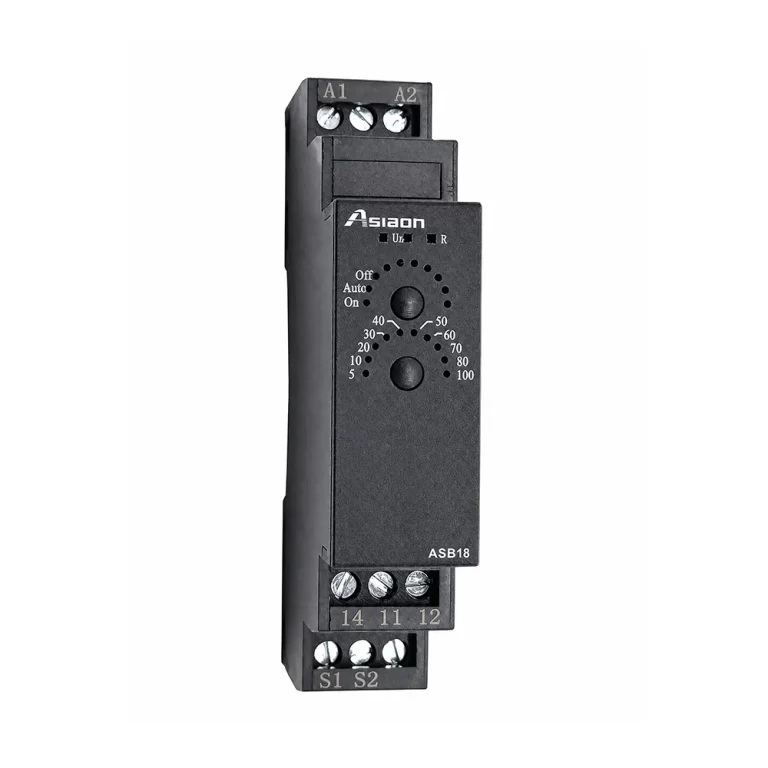
Plan twilight relay sensor placement around natural daylight, artificial-light feedback and maintenance access, then verify stable dusk and dawn operation.



Plan twilight relay sensor placement around natural daylight, artificial-light feedback and maintenance access, then verify stable dusk and dawn operation.
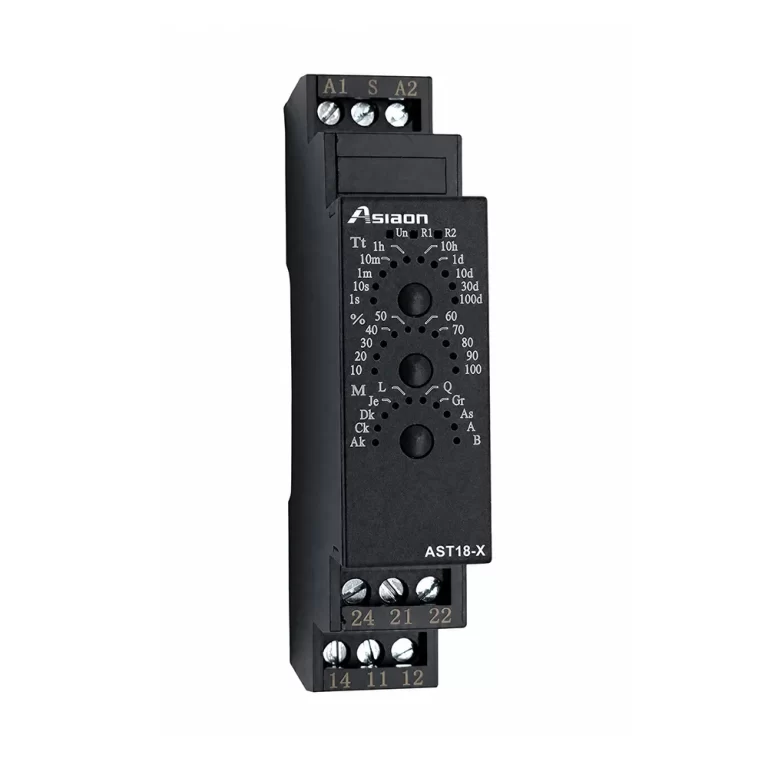
Distinguish a timer relay dry contact trigger from a voltage input, verify the reference and timing event, and document a replacement without guessing terminals.
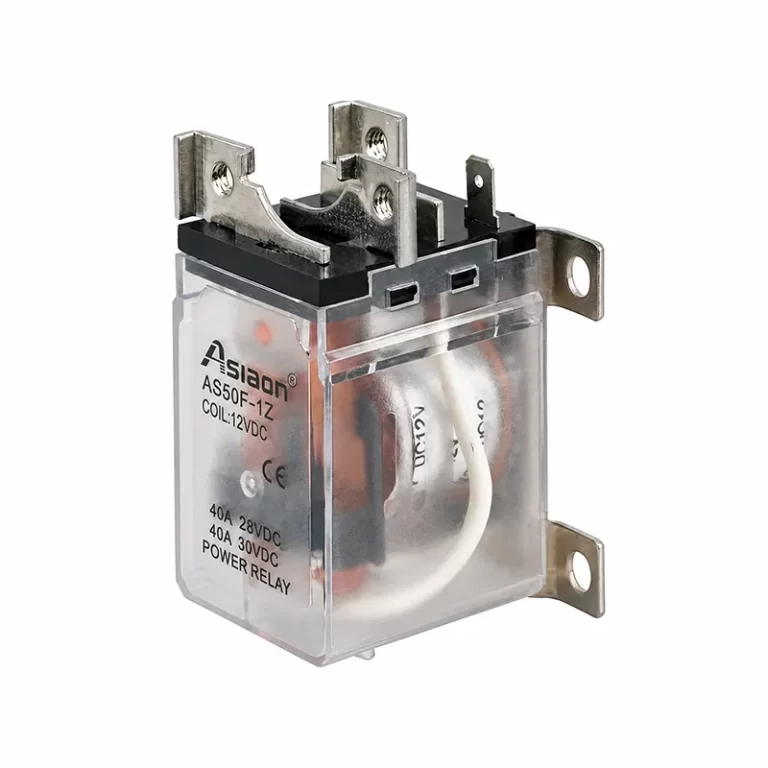
Review relay capacitive load inrush current, measure the charging pulse, and validate current limiting before approving power-supply and LED-driver switching.
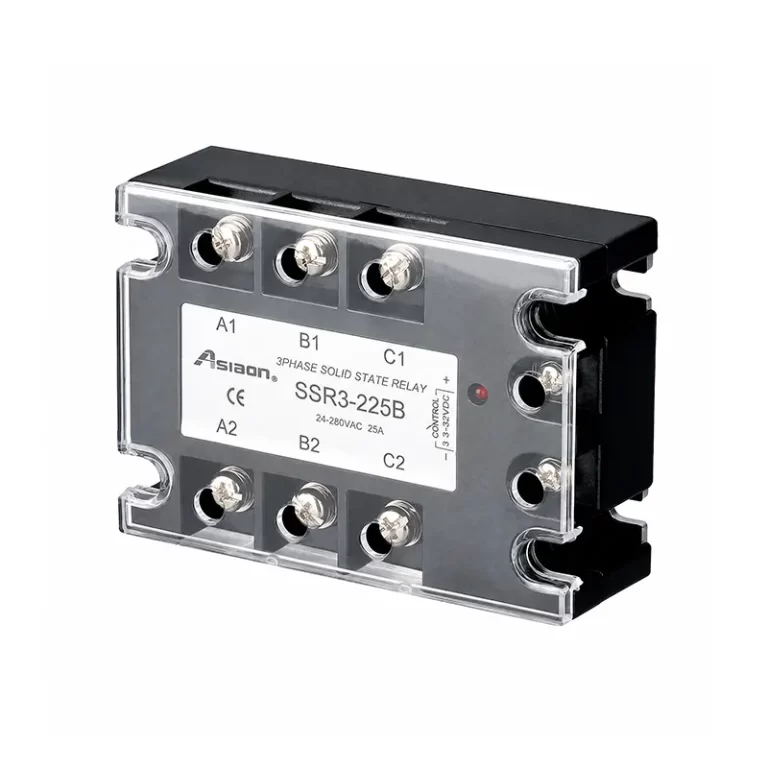
Review solid state relay dv/dt, separate input noise from output commutation problems, and specify evidence for snubber and transient protection decisions.
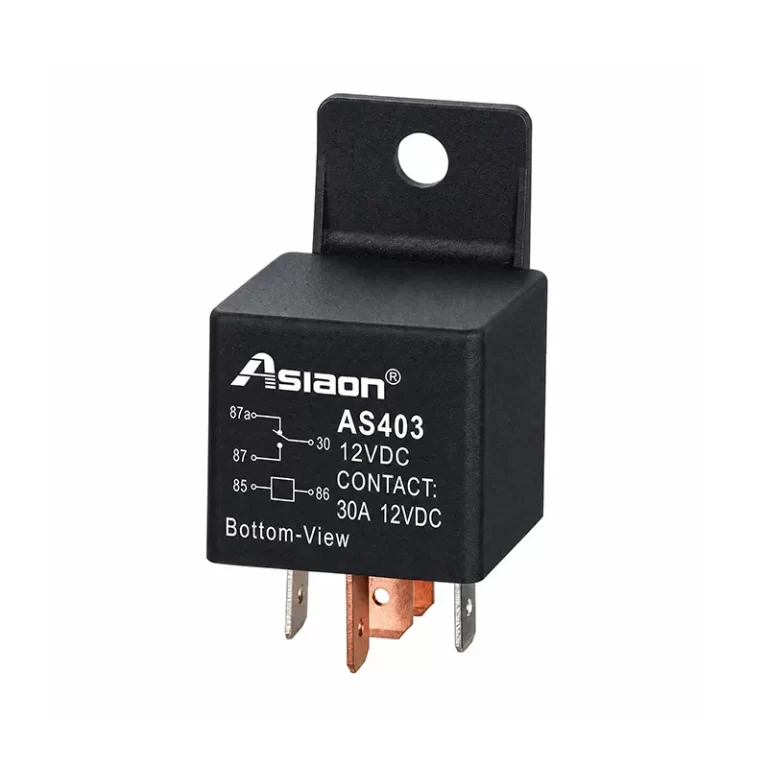
Compare automotive relay 87 and 87a, distinguish changeover from dual-87 outputs, and review the exact diagram, socket view and unpowered load state.
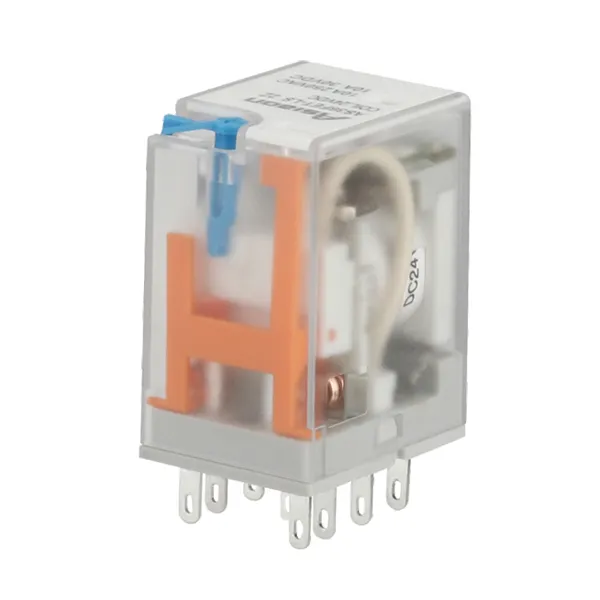
Calculate relay coil power consumption, separate DC watts from AC VA, and verify simultaneous startup, driver limits and voltage at the installed coils.
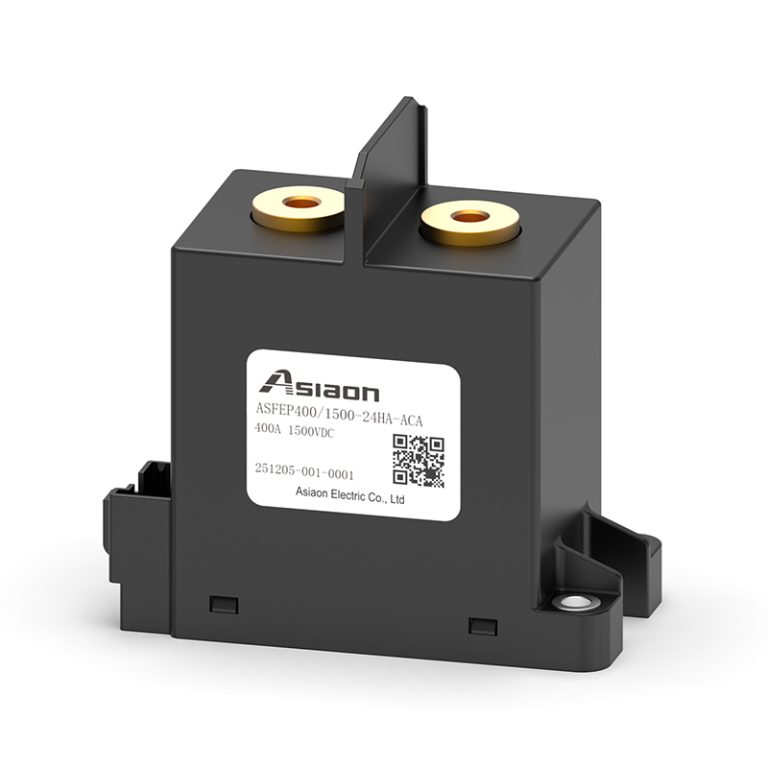
Review a DC contactor continuous current rating against conductor size, enclosure ambient, coil duty and measured temperature rise before approval.
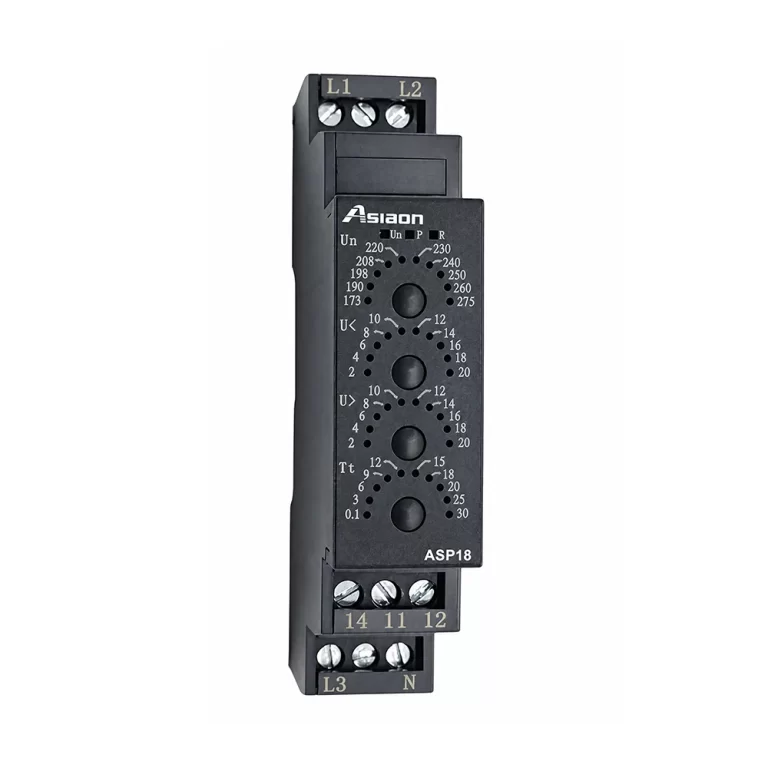
Plan phase sequence relay commissioning around the monitored point, fault output, motor permissive and restart behavior, with traceable test records.
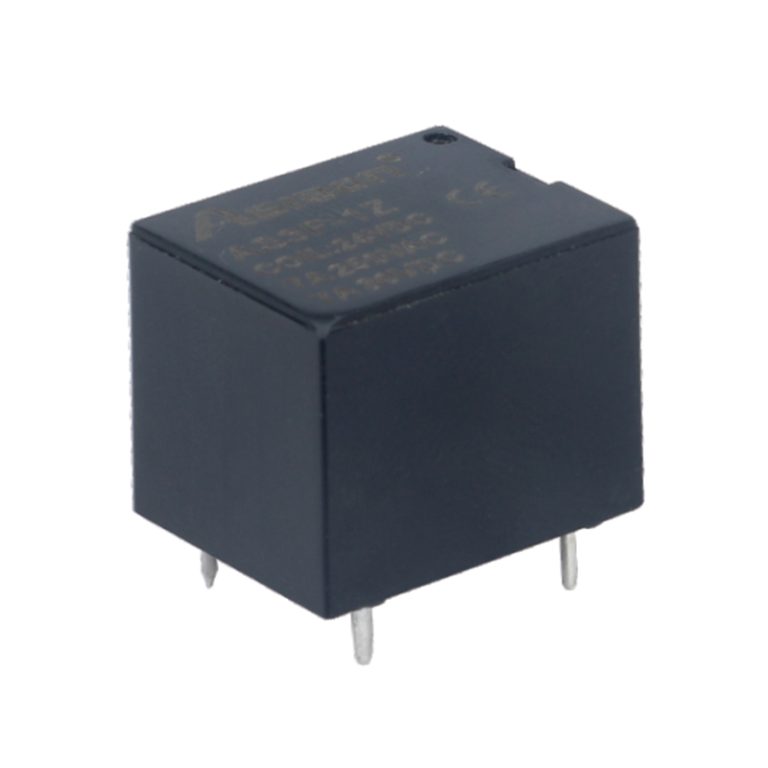
Review PCB relay cleaning by exact sealing version, flux, solvent compatibility and assembly process before approving washing or conformal coating.
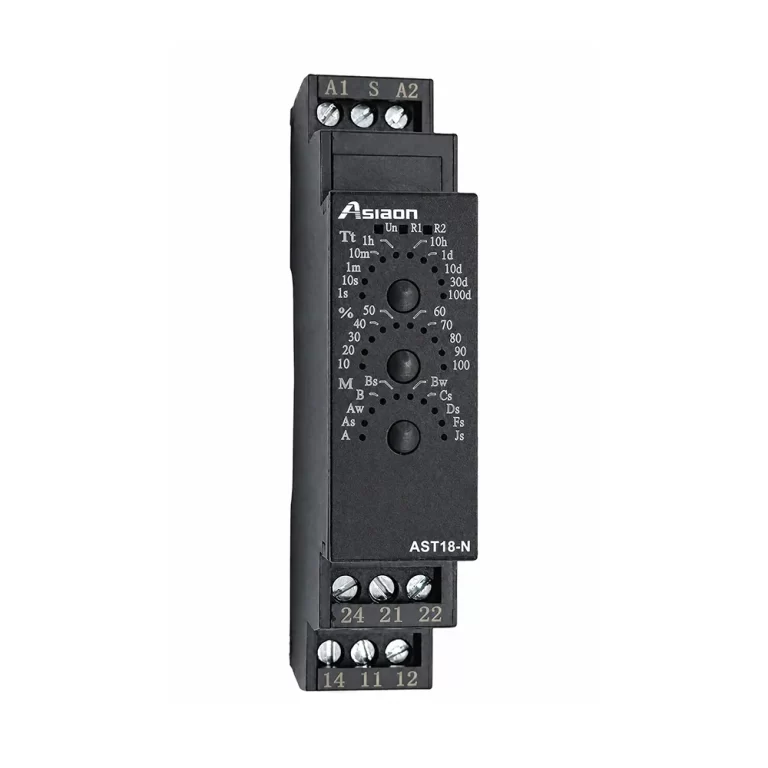
Set a time relay by recording its function, unit, range and adjustment, then verify the defined events and restart behavior with a clear commissioning record.